
Significance of Nirjala Ekadashi in Vastu Shastra and Spiritual Practices
- Renu Dutt Sharma
- Jun 25
- 4 min read

Nirjala Ekadashi is one of the most revered fasting days in Hindu tradition, known for its strict observance and profound spiritual benefits. Beyond its religious importance, this day holds a unique place in the practice of Vastu Shastra, the ancient Indian science of architecture and space. Understanding how Nirjala Ekadashi influences and aligns with Vastu principles can deepen the spiritual experience and enhance the positive energies within a home or sacred space.

What is Nirjala Ekadashi?
Nirjala Ekadashi falls on the 11th lunar day (Ekadashi) of the waxing or waning moon in the Hindu calendar. The term "Nirjala" means "without water," indicating that devotees observe a complete fast without consuming food or water for 24 hours. This fast is considered the most rigorous among the 24 Ekadashis and is believed to cleanse the body and mind, purify the soul, and bring spiritual merit equivalent to observing all Ekadashis in a year.
The fast is dedicated to Lord Vishnu, the preserver in Hindu mythology, and is believed to help devotees overcome sins and attain moksha (liberation). The strict discipline required for Nirjala Ekadashi symbolizes self-control and devotion.
The Role of Nirjala Ekadashi in Spiritual Practices
Nirjala Ekadashi is more than just a physical fast; it is a spiritual practice that encourages mindfulness, purity, and connection with the divine. Devotees engage in prayer, meditation, and reading sacred texts throughout the day. The fast is a way to detach from worldly distractions and focus on inner growth.
The spiritual benefits include:
Purification of body and mind: Abstaining from food and water helps detoxify the body and calm the mind.
Strengthening willpower: The discipline required builds mental resilience.
Enhancing spiritual energy: Devotional activities increase positive vibrations.
Karma cleansing: It is believed to reduce the effects of past negative actions.
These benefits align closely with the goals of Vastu Shastra, which aims to create harmonious living spaces that support physical and spiritual well-being.
Vastu Shastra and Its Connection to Nirjala Ekadashi
Vastu Shastra focuses on the flow of energy (prana) in a space, balancing the five elements—earth, water, fire, air, and space—to promote health, prosperity, and peace. Observing Nirjala Ekadashi within a Vastu-compliant environment can amplify the positive effects of the fast.
How Nirjala Ekadashi Enhances Vastu Energy
Purity and cleanliness: Vastu emphasizes cleanliness as essential for positive energy. The fasting and spiritual cleansing on Nirjala Ekadashi complement this by purifying the individual’s energy, which in turn harmonizes with the space.
Sacred space activation: Performing rituals and prayers in the puja room or altar area during Nirjala Ekadashi activates the spiritual energy of the home.
Balancing elements: The fasting day encourages simplicity and minimalism, which aligns with Vastu’s principle of balanced elements and uncluttered spaces.
Positive vibrations: The collective energy of fasting, chanting, and meditation raises the vibration of the home, attracting prosperity and peace.
Practical Vastu Tips for Nirjala Ekadashi
To maximize the benefits of Nirjala Ekadashi in your home, consider these Vastu practices:
Puja room placement: Ensure the puja room is in the northeast corner of the house, considered the most auspicious direction.
Clean and declutter: Before the fast, clean the house thoroughly, especially the areas where prayers will be held.
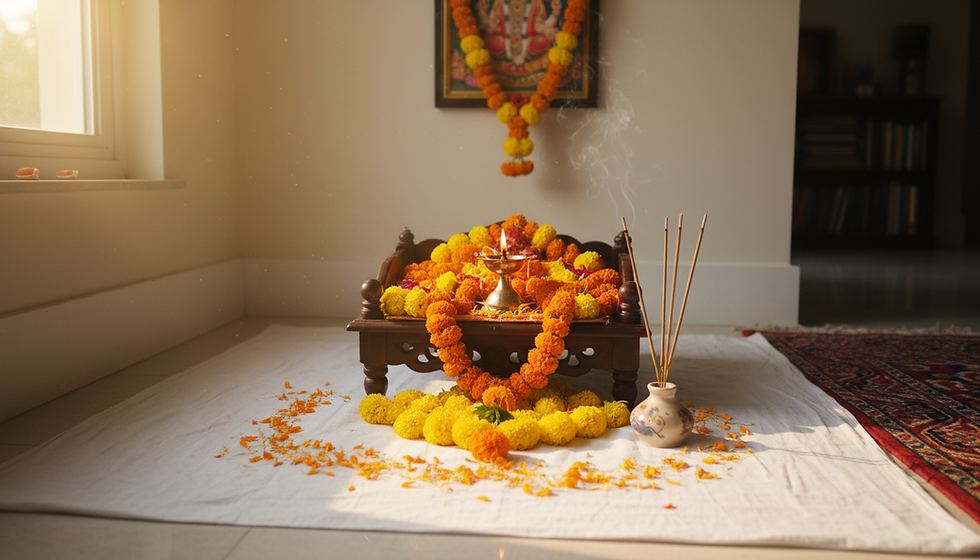
Use natural elements: Decorate with fresh flowers, incense, and lamps to invite positive energy.
Water element: Place a small water source like a bowl or fountain in the northeast to enhance spiritual energy, even though fasting involves abstaining from water.
Lighting: Use soft, natural lighting during prayers to create a calm atmosphere.
Examples of Nirjala Ekadashi Observance in Vastu-Friendly Homes
In many traditional Indian homes, Nirjala Ekadashi is observed with great care to maintain Vastu harmony. For instance, a family may start the day by cleaning the northeast corner and setting up the altar with fresh flowers and oil lamps. The fasting individual meditates in this space, surrounded by symbols of Lord Vishnu.
Another example is the use of natural materials like wood and stone in the puja room, which supports the earth element and enhances grounding during spiritual practices. Homes that follow these Vastu guidelines report a noticeable increase in peace and positive energy during and after the fast.
Spiritual and Practical Benefits Combined
Nirjala Ekadashi offers a unique opportunity to combine spiritual discipline with environmental harmony. The fast itself purifies the body and mind, while Vastu principles ensure that the space supports this purification. Together, they create a powerful synergy that benefits health, mental clarity, and spiritual growth.
For those seeking to deepen their spiritual practice, observing Nirjala Ekadashi in a Vastu-aligned home can:
Improve concentration during meditation
Enhance the effectiveness of prayers and rituals
Foster a sense of peace and balance in daily life
Support long-term well-being through balanced energy flow
Final Thoughts on Nirjala Ekadashi and Vastu Shastra
Nirjala Ekadashi is a demanding fast that offers profound spiritual rewards. When practiced in harmony with Vastu Shastra, it becomes a holistic experience that nurtures both the individual and their environment. This alignment of inner discipline and outer space creates a foundation for lasting peace and prosperity.
If you plan to observe Nirjala Ekadashi, consider preparing your home according to Vastu principles. Cleanse your space, arrange your altar thoughtfully, and embrace the day with devotion and mindfulness. This approach will help you unlock the full potential of this sacred fast and invite positive energy into your life.


Comments