
Kamini Ekadashi 2026 Vastu Significance Rituals Benefits and Home Energy Insights

A sacred fast can change the way a home feels, not because it rearranges bricks and beams, but because it changes attention. On August 10, 2026, Kamini Ekadashi offers a meaningful moment to cleanse daily habits, refresh sacred spaces, and align the home with calmer, more sattvic energy.
In Hindu tradition, Ekadashi falls on the 11th lunar day and is closely associated with devotion to Lord Vishnu. Many devotees observe it through fasting, prayer, mantra, charity, and self-discipline. When seen through the lens of Vastu Shastra, the day becomes more than a personal observance. It becomes a chance to reset the energetic rhythm of the home.
Kamini Ekadashi is not usually presented in classical Vastu texts as a separate architectural rule. The connection is more practical and spiritual. Vastu focuses on harmony between space, direction, elements, light, and human activity. Ekadashi focuses on purity, restraint, devotion, and inner clarity. Together, they support a home that feels balanced, clean, and spiritually alive.

What Kamini Ekadashi means in 2026
Kamini Ekadashi will be observed on August 10, 2026, according to many calendar references. Since Ekadashi is based on the lunar tithi, exact observance can vary by region, time zone, and local Panchang. For fasting timings and parana, the meal taken to end the fast, it is best to follow a trusted local Panchang or family priest.
The word “Kamini” is often understood in relation to desire, affection, beauty, and attraction. In a spiritual setting, the day invites a gentler interpretation. It asks devotees to refine desire rather than be ruled by it. Instead of chasing restlessness, the observance encourages devotion, purity, and conscious living.
This meaning fits naturally with Vastu. A home often reflects the desires, fears, habits, and rhythms of the people who live there. Clutter in the northeast, a heavy bedroom in the wrong zone, blocked windows, dark corners, and unused spaces can all make a house feel stagnant. Kamini Ekadashi becomes a useful day to ask a simple question:
Does this home support clarity, devotion, healthful routine, and peace?
That question is at the heart of both spiritual practice and thoughtful home design.
How Ekadashi and Vastu Shastra connect
Vastu Shastra is the traditional Indian system of spatial harmony. It considers directions, the five elements, sunlight, airflow, room placement, and the relationship between the built space and cosmic order. While modern homes cannot always follow every Vastu rule, the principles still offer practical guidance.
Ekadashi brings a different kind of order. It asks for discipline in food, speech, thought, and action. On this day, many households reduce excess activity, avoid heavy meals, spend time in prayer, and clean the puja space.
The connection between the two becomes clear when seen through three shared ideas.
Purity supports positive energy
Vastu places high value on cleanliness, light, and open flow. Ekadashi also asks devotees to purify body and mind. A clean floor, fresh altar cloth, washed lamps, and uncluttered entrances all help create a more sattvic atmosphere.
This does not mean the home must look perfect. It means the home should feel cared for.
Direction shapes intention
Vastu gives special importance to directions. The northeast, known as Ishan Kon, is often considered sacred and suitable for prayer, meditation, and water elements. On Kamini Ekadashi, this zone can receive special attention.
Cleaning the northeast corner, lighting a lamp there, or placing fresh flowers near the prayer area can help strengthen the feeling of devotion.
Ritual creates rhythm
A home carries the memory of repeated actions. Daily prayer, lighting incense, opening windows in the morning, and keeping the entrance clean all create a rhythm. Ekadashi gives that rhythm a sacred pause.
When this pause happens regularly, the home begins to feel less reactive and more intentional.

Rituals to observe Kamini Ekadashi at home
Kamini Ekadashi rituals can be simple or elaborate, depending on family tradition, health, and personal capacity. The goal is not performance. The goal is sincerity.
Wake early and cleanse the home
Begin the day before sunrise if possible. Bathe, wear clean clothes, and open windows to allow fresh air and morning light inside.
Then focus on a few Vastu-sensitive areas:
The main entrance
The northeast corner
The puja room or altar
The kitchen
The center of the home, often called the Brahmasthan
Avoid turning the morning into a full house-cleaning marathon. Ekadashi favors calm. Choose cleanliness with devotion over hurried perfection.
Prepare the puja space
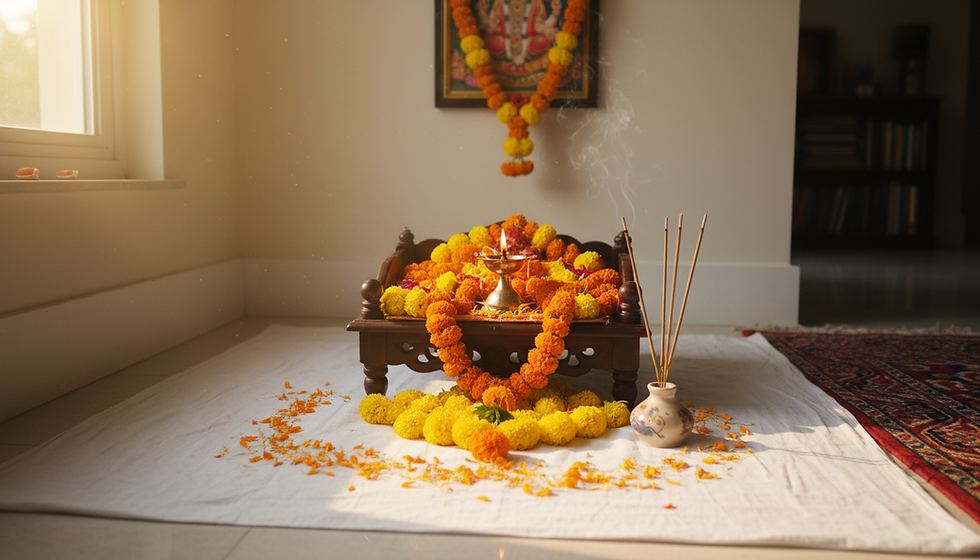
The puja space should be clean, bright, and peaceful. If possible, face east or north while praying. Place an image or idol of Lord Vishnu, or any form of the divine worshipped in the household.
Traditional offerings may include:
Tulsi leaves
Fresh flowers
A brass or clay lamp
Incense
Fruits
Water in a clean vessel
Panchamrit, if used in the family tradition
Tulsi holds special importance in Vishnu worship. Keeping a healthy tulsi plant in a clean, well-lit area can also support the devotional feeling of the home.
Take a sankalpa with clear intention
A sankalpa is a sacred resolve. On Kamini Ekadashi, the intention may be for devotion, purity, peace in the home, harmony among family members, or freedom from harmful habits.
A simple sankalpa can be spoken silently:
“On this Kamini Ekadashi, I observe this prayer and discipline for inner purity, peace in my home, and devotion to the divine.”
This step matters because Vastu is not only about objects. Human intention is part of the home’s energy.
Observe fasting with care
Many devotees fast on Ekadashi. Some avoid grains and beans. Some take fruits, milk, nuts, or specific fasting foods. Others observe a lighter discipline if health, age, pregnancy, travel, or medical needs require it.
Fasting should never become harmful. Anyone with a medical condition should follow appropriate health guidance. Spiritually, self-control matters more than strain.
Chant, read, and keep the atmosphere sattvic
Chanting Vishnu mantras, reading the Vishnu Sahasranama, listening to bhajans, or reciting Ekadashi katha can fill the home with a devotional sound pattern.
A few simple practices work well:
Keep television and loud entertainment low or off.
Avoid harsh speech and arguments.
Use natural fragrance, such as sandalwood or camphor, if suitable.
Keep the altar lamp lit safely during prayer.
Offer charity or food support according to ability.
Sound, scent, light, and speech all influence how a home feels. Ekadashi brings them into awareness.
Vastu areas to refresh on Kamini Ekadashi
A full Vastu correction is not always possible in one day. Kamini Ekadashi is better used as a focused reset. Small changes can have a strong effect when done with care.
Home area | Vastu meaning | Ekadashi practice |
Main entrance | Welcomes energy into the home | Clean the threshold, remove broken items, place fresh flowers or a simple rangoli |
Northeast corner | Sacred zone for prayer and clarity | Declutter, light a diya, keep this area calm and bright |
Kitchen | Represents nourishment and fire | Clean the stove, avoid waste, cook sattvic food if preparing meals |
Center of the home | Symbolic breathing space of the house | Keep it open, avoid heavy storage, sweep and clear visual clutter |
Bedroom | Supports rest and relationships | Change sheets, reduce electronics near the bed, keep the room peaceful |
Tulsi area | Devotion, purity, and daily care | Water the plant if appropriate, clean the pot, offer prayer |
These are not quick “fixes” for every problem. They are ways to bring attention back to the relationship between space and spirit.

How Kamini Ekadashi influences home energy
The phrase “home energy” can sound vague, but most people understand it through experience. Some homes feel heavy even when they are decorated well. Others feel peaceful with very little furniture. Vastu explains this through direction, elements, order, and use of space. Spiritual practice adds thought, emotion, and intention.
Kamini Ekadashi can influence home energy in five practical ways.
It reduces energetic clutter
Physical clutter often reflects postponed decisions. On Ekadashi, clearing even one sacred area can create relief. The act tells the mind that the home is not only a storage space. It is a living field of awareness.
Start with the puja area or entrance. Remove dried flowers, old incense ash, broken décor, unused containers, and anything that feels neglected.
It strengthens the sattvic quality of the home
In yogic and Vedic thought, sattva refers to clarity, balance, purity, and harmony. Ekadashi practices naturally support sattva through light food, prayer, silence, clean surroundings, and self-restraint.
A sattvic home does not need expensive design. It needs breathable space, clean surfaces, natural light, gentle colors, and respectful behavior.
It balances the fire and water elements
Vastu gives importance to the five elements. Ekadashi rituals often include water offerings, lamps, incense, flowers, and food discipline. This makes the day a good time to observe element balance.
For example, a clean diya represents sacred fire. A copper vessel or kalash represents purity and water. Flowers add earth and fragrance. Open windows bring air. Prayer gives space a higher intention.
It brings mindfulness to daily rooms
The home becomes spiritual when ordinary spaces receive conscious attention. The kitchen becomes a place of gratitude. The entrance becomes a point of welcome. The bedroom becomes a place of rest rather than mental noise.
Kamini Ekadashi supports this shift because it slows daily consumption and redirects attention inward.
It improves emotional tone
Homes absorb repeated moods. A day of gentler speech, mantra, gratitude, and charity can soften the atmosphere. This is one of the most practical benefits of Ekadashi. It gives the household a shared pause.
Even if only one person observes the day, the shift can be felt through cleaner spaces, calmer sound, and simpler meals.
Design ideas inspired by Kamini Ekadashi and Vastu
Spiritual observance can inspire long-term home design choices. These do not need major renovation. Many are simple adjustments that make a home feel more aligned.
Create a dedicated prayer zone
If there is no puja room, choose a clean shelf, wall niche, or quiet corner. East or northeast is often preferred. Keep the space uncluttered and avoid placing it near shoes, laundry, or waste bins.
Use natural materials when possible, such as wood, brass, copper, clay, cotton, and stone. They bring warmth and grounding.
Use light with intention
Morning light supports freshness. Open curtains early on Kamini Ekadashi, especially in the east and northeast. If the home lacks natural light, use a soft lamp in the prayer area.
Avoid harsh lighting during evening prayer. A diya or warm lamp can make the ritual feel more intimate.
Keep the entrance sacred
The entrance is the first energetic impression of the home. Clean it well on Ekadashi. Remove unused footwear, dust, dead plants, and broken items.
A small lamp, fresh toran, rangoli, or clean nameplate can create a sense of welcome. The idea is not decoration alone. It is respect for the threshold.
Let the center breathe
In Vastu, the central area of the home is best kept open and light. Many modern homes place heavy furniture or storage in the middle. If that cannot change, at least clear the floor, reduce visual weight, and avoid keeping waste or unused boxes there.
On Kamini Ekadashi, this can be a symbolic act of making space for grace.

Benefits of observing Kamini Ekadashi with Vastu awareness
The benefits of this observance are best understood as spiritual and practical, not as guaranteed outcomes.
A Vastu-aware Kamini Ekadashi can help:
Build a habit of regular home purification
Bring attention to neglected corners and sacred spaces
Encourage calmer speech and behavior at home
Support devotion through beauty, light, fragrance, and order
Create a stronger link between ritual and daily living
Make the home feel more welcoming, peaceful, and intentional
For people interested in home design, this day offers a beautiful reminder. Design is not only about color palettes and furniture placement. It is also about how a space supports prayer, rest, nourishment, and relationships.
For people drawn to spirituality, Vastu adds a physical layer to devotion. A mantra feels different in a clean, quiet corner. A lamp looks different when the altar is cared for. A fast feels steadier when the kitchen and home support the intention.
A simple Kamini Ekadashi home practice for August 10, 2026
For a balanced observance, follow this gentle sequence:
Wake early and bathe.
Open windows and let fresh air enter.
Clean the entrance, puja area, and northeast corner.
Arrange the altar with a lamp, flowers, water, and tulsi leaves.
Take a sankalpa for peace, purity, and devotion.
Offer prayers to Lord Vishnu.
Chant or read a sacred text.
Keep meals light according to your fasting tradition.
Speak gently and avoid unnecessary conflict.
10. Offer charity or help someone in need.
11. End the fast at the proper parana time according to your local Panchang.
This is enough. The day does not need to become complicated to be meaningful.
Let the day reshape the way the home feels
Kamini Ekadashi on August 10, 2026, is a powerful opportunity to bring devotion into the structure of daily life. Through Vastu awareness, the home becomes part of the ritual. The entrance welcomes purity. The northeast supports prayer. The kitchen honors nourishment. The center of the home makes room for stillness.
The real beauty of this observance lies in its simplicity. Clean one corner with care. Light one lamp with sincerity. Speak one less harsh word. Offer one prayer with full attention.
When devotion enters the home through repeated, thoughtful acts, the energy of the space begins to change. Not all at once, and not through force. It changes through respect, rhythm, and presence.


Comments