
Sawan and Vastu Painting Significance for a Harmonious Home

Sawan brings a noticeable change in the mood of a home. The rains arrive, the air feels softer, and many families turn their attention to prayer, renewal, and inner calm. In this sacred month, especially for devotees of Lord Shiva, even small changes in home decor can feel meaningful.
Paintings play a quiet but powerful role here. They shape what the eye rests on every day. In Vastu Shastra, they also carry symbolic energy through color, subject, and placement. When chosen with care, Sawan-inspired paintings can make a home feel peaceful, devotional, and balanced.

Why Sawan holds a special place in the home
Sawan, also known as Shravan, is closely linked with devotion to Lord Shiva. Many people observe fasts, visit temples, offer bilva leaves, and spend more time in prayer. The season also connects deeply with nature. Rain, flowing water, fresh greenery, and cool winds all become part of the spiritual atmosphere.
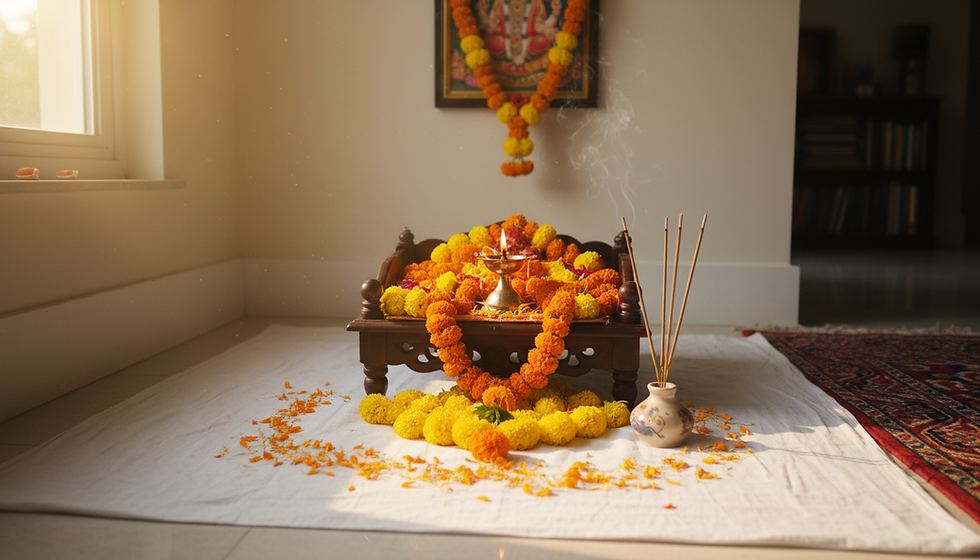
This is why the home matters so much during Sawan. A clean, calm, and thoughtfully arranged space supports the practices of the month. It does not need to be grand. A simple altar, a fresh flower arrangement, or a painting placed in the right area can create a sense of sacredness.
A painting works as a daily visual reminder. It can bring the mind back to patience, gratitude, and devotion. In many homes, art related to Shiva, the Himalayas, rivers, lotus flowers, or gentle rain becomes especially fitting during this time.
How Vastu views paintings and wall art
Vastu Shastra treats the home as a living space where direction, light, color, and objects influence the overall feeling of balance. Paintings are not only decorative in this view. They represent qualities that may affect the mood of the room.
A picture of flowing water can suggest movement and freshness. A mountain can suggest stability. A lotus can suggest purity. A calm deity image can support prayer and focus.
The Sawan and Vastu Painting Significance for a Harmonious Home lies in this connection between sacred timing and symbolic placement. Sawan invites devotion and renewal, while Vastu offers a way to arrange visual energy with intention.
A few general Vastu ideas are often followed for paintings:
Direction or area | Painting theme that is often preferred | Mood it supports |
North or east | Flowing water, greenery, sunrise, lotus | Freshness and growth |
Northeast | Lord Shiva, sacred symbols, meditation scenes | Prayer and clarity |
South or southwest | Mountains, strong trees, calm landscapes | Stability and grounding |
Living room | Nature, family-friendly devotional art, peaceful scenes | Warmth and welcome |
Bedroom | Soft nature, pairs of birds, gentle florals | Rest and harmony |
These ideas are part of traditional belief. They work best when paired with cleanliness, good lighting, and a space that feels comfortable to the people living in it.

Best Sawan painting themes for a balanced home
Sawan has a strong visual language. The season itself suggests softness, devotion, and growth. Choosing art around these themes can make the home feel aligned with the month.
Lord Shiva paintings
Lord Shiva is the central spiritual presence of Sawan. A calm image of Shiva in meditation, Shiva with Mount Kailash, or Shiva with the crescent moon and Ganga can suit a prayer area or quiet wall.
Avoid overly intense or destructive forms in spaces meant for rest. For a home, a peaceful Shiva painting usually feels more comforting and suitable.
Nature and monsoon paintings
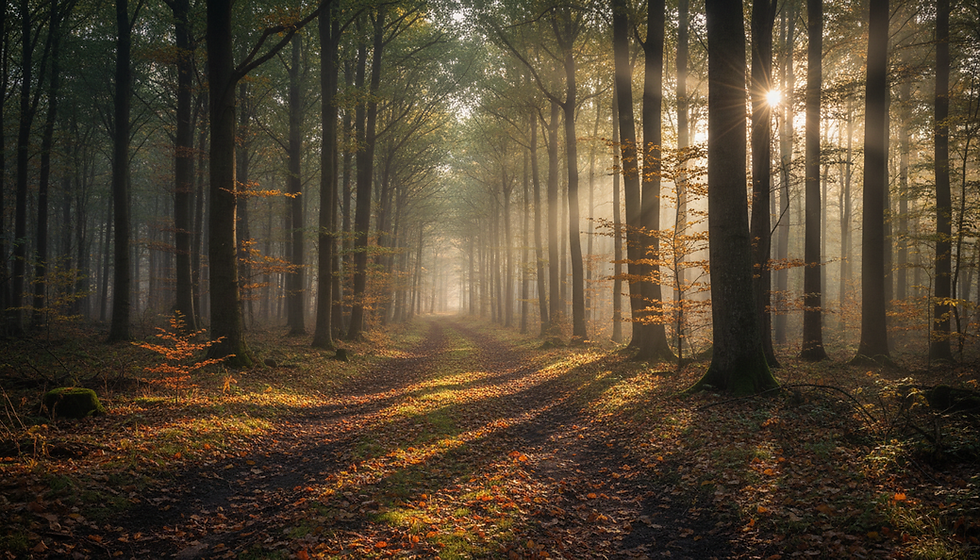
Rain-washed trees, green fields, rivers, clouds, and lotuses fit beautifully with Sawan. These paintings bring the season indoors without making the decor feel heavy.
Green is often associated with freshness and healing in traditional decor thought. Blue can bring a cool, calm feeling. Soft white and earthy tones add balance.
Lotus and sacred water imagery
The lotus is linked with purity, spiritual growth, and grace. A lotus painting can work well in the east, northeast, or meditation corner. Flowing water art can also feel right during Sawan, especially when the image looks clean, gentle, and bright.
Try to avoid stagnant, dark, or stormy water scenes. Vastu often favors water images that feel active, clear, and life-giving.

Where to place paintings during Sawan
Placement matters because a painting becomes part of daily life. The best place is where it can be seen with ease and respected properly.
For a Shiva painting, the northeast area is often preferred in Vastu, especially if it is used for prayer or meditation. East-facing walls are also considered suitable for spiritual art because they receive morning light.
Nature paintings can work well in living rooms, hallways, and study spaces. A calm monsoon landscape near the entrance can create a welcoming feeling. A soft floral or lotus painting in the bedroom can keep the mood gentle.
Be careful with certain images during Sawan and beyond:
Avoid paintings that show sadness, loneliness, war, or aggression.
Avoid cluttered walls with too many competing images.
Avoid placing deity paintings directly on the floor.
Avoid damaged frames, faded prints, or dusty artwork.
Avoid placing sacred art in areas that are not treated with respect.
A painting should support the room, not overwhelm it. One meaningful piece often has more impact than several unrelated ones.
How to choose colors and materials with intention
The colors of Sawan are easy to recognize. Fresh greens, soft blues, whites, earthy browns, and gentle greys all match the feeling of the rainy season. These shades can make rooms feel cooler and calmer.
For devotional art, choose clear and soothing colors rather than harsh or overly dark tones. A Shiva painting with soft blue, white, silver, or mountain shades can feel peaceful. A nature painting with green leaves and clean rain can refresh the room.
Frames matter too. Wooden frames add warmth. Gold or brass-toned frames can suit a puja space when used simply. Matte finishes often look calmer than glossy ones, especially in rooms meant for prayer or rest.
The most important rule is emotional fit. If a painting brings peace every time it is seen, it already serves a meaningful purpose.

A thoughtful way to bring Sawan energy home
Sawan decor does not need to be expensive or dramatic. Start with one clean wall, one peaceful painting, and one clear intention. Choose art that reflects devotion, nature, and calm. Place it where it feels respected and visible.
Vastu adds a layer of mindfulness to this choice. It encourages paying attention to direction, subject, color, and the emotional effect of the image. Sawan adds the spirit of surrender, freshness, and renewal.
Together, they turn a painting into more than wall decor. They make it a quiet part of daily prayer, seasonal beauty, and a more harmonious home.

Comments